Six Days to Go ... and New Options for Tickets Below.
Plus, Alternative Ways to Pay ...
"We must shift our focus away from struggle and resistance and towards planning and acting to build a thriving Parallel Society. Please join us in that effort." - Tia Severino
March 14th-17th 2024 at Lanier Islands Resort - Legacy Lodge at Lanier Islands.
Get Tickets
ALT-PAY OPTIONS
We've had a few requests for alternative ways to pay for tickets or to donate Angel Tickets. In that spirit, we are able to accept through PayPal, Venmo, and CashApp as well as cash at the door.
Email or Text "ALT-PAY REQUEST" to nextstepsatlanta@gmail.com / (678) 906-9787
The Health Freedom and Wellness Fair
OPEN TO THE PUBLIC - NO CONFERENCE TICKET NEEDED
Join us at the Health Freedom & Wellness Fair, a premier feature of the Next Steps Conference 2024, where we showcase the best exhibitors from the global health and wellness industry. Open to the public free of charge on opening day, 11 am to 6 pm, AND on closing day from 8 am to 1 pm, Don't miss this unique chance to connect with leading experts and like-minded individuals committed to advancing health, freedom, and well-being.
Freedom Law School
Whole Healing Dental
RaDoTech Technologies
Ascent Nutrition
Above Phone
Nutritional Frontiers
First National Bullion
Kennedy '24
Children's Health Defense
Robert Scott Bell Show
My Patriot Swap
Food Forest Abundance
Pureblood Registry
Georgia Coalition for Vaccine Choice
Full List on Website!
Victory Haven
Vibrant Life 24/7
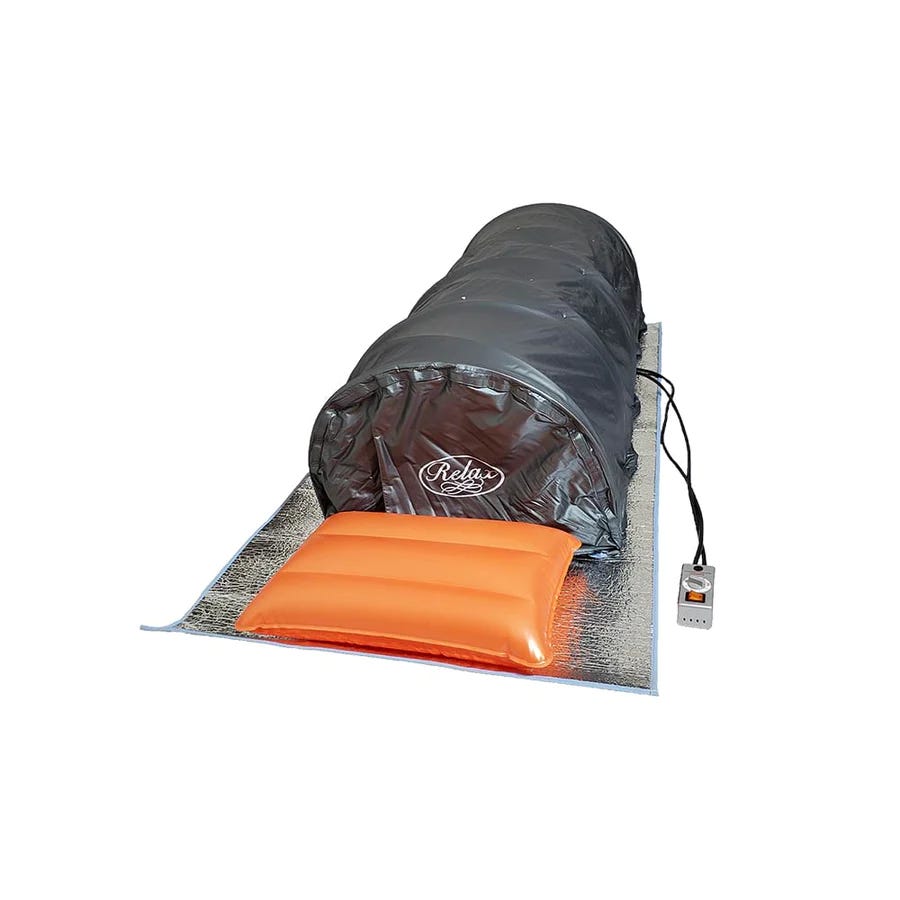
Relax Saunas
Hyperbaric PHP
Functional Medicine of Georgia
Argentyn 23, Sovereign Silver & Sovereign Copper
H.E.A.L.
Newton Homeopathics
Air Water Healing
Hava Wellness
Genesis Centre for Optimal Living
Excursion Specialty Products
Kat's Naturals
uThriveLabs
The block has been opened up to the PUBLIC, so rooms are subject to availability. Don't miss your chance to stay at this beautiful resort.
Please note that there is a $50 per night INCIDENTALS HOLD that is added to your reservation. This hold will be released at check-out minus any incidentals you may incur. Our room block gives you a $50 discounted rate of $189.00 per night + taxes.
Access Online Booking Link
Maximize your conference experience with the Whova App, our official mobile companion designed to help you participate at the Next Steps Conference 2024. Whova offers exciting features that facilitate networking, schedule management, and access to essential conference information—all at your fingertips. With Whova, you can effortlessly customize your agenda, connect with fellow attendees, engage in interactive sessions, and receive real-time updates and announcements. The app also provides a platform for exploring exhibitor profiles, accessing presentation materials, and participating in discussions, ensuring you maximize every conference moment. Download the Whova App after you purchase your ticket, and get ready to unlock a seamless and enriched conference journey tailored just for you.
Questions? Concerns? Contact Tia Severino (678) 906-9787
More Info & Tickets
Thank you to Derrick Broze, who interviewed Tia Severino last week, with a great explanation of the event and how to navigate the website. Highly recommended video:
Watch Now
Get Tickets
Why Attend? Inspiration, Connections, Solutions
Inspiration: Immerse yourself in a breathtakingly beautiful environment where you will learn innovative ideas and transformative insights. Our speakers and sessions are carefully selected to ignite your creativity and passion.
Connections: At the heart of our conference is the opportunity to connect. Whether it’s finding a mentor, a business partner, or a new friend, the relationships you build here are the stepping stones to your next big achievement. This is your chance to rub shoulders with some of the Top Paradigm Shifters in the world.
Solutions: Tackle your challenges with a fresh perspective. Our diverse workshops, panels, and exhibitors offer practical solutions, from cutting-edge industry trends to hands-on skill-building.
Detox For Your Health
You Can Heal Naturally!
Film Screening: SPELLERS spellersthemovie.com
Seeds of Change: Cultivating Food for Community Empowerment
The Safe Community Blueprint: Local Solutions for Security Challenges
Empowered Healthcare: Connecting the Parallel Healthcare System
Networking Night on Friday
The Parallel Economy: A New Frontier in Financial Thinking
Unvaccinated and Thriving
The Greater Reset
VIP Dinner & Gala
Next Steps for Nurses
Advocacy In Action
Workshops & Other Outdoor Activities
Morning Yoga
The event schedule has been posted and can be viewed here:
View Agenda
*Please note that the schedule and speakers are subject to change without notice, but the website will always have the most current information and is consistently updated.
Each of our incredible speakers has been asked to bring 3 "Next Steps" which are Action Items - things you can do right away to effect change in your life and community.
WE BRING SOLUTIONS!
We are excited to offer flexible ticketing options for the Next Steps Conference 2024, designed to accommodate your preferences and schedule.
You can choose between two main types of tickets: Passes and A la Carte options.
Our VIP Passes provide comprehensive access to the entire conference, including all keynote presentations, breakout sessions, workshops, and networking events, including coffee, snacks, lunch on Friday and Saturday, and Dinner on Saturday Night. - They offer the best value for those looking to immerse themselves in the whole experience.
We also offer 4-Day Passes, which include all the activities during the day, with lunch and snacks on Friday and Saturday. Alternatively, our A la Carte option allows you to customize your conference experience by selecting and paying for individual days or events you wish to attend, providing maximum flexibility to tailor your participation according to your interests and availability. Whether you're looking for an all-inclusive experience or prefer to pick and choose specific activities, we have a ticket option to suit your needs.
Buy Passes/Tickets
Know someone who should attend Next Steps but could not afford to come? Our generous sponsors and donors have paid for scholarships, known as "Angel Tickets," which are 4-Day Passes given free of charge to those in need. To nominate an individual or family for Angel Tickets, contact Tia Severino at the number or email below.
(678) 906-9787 or email: Nextstepsatlanta@gmail.com
To donate angel tickets, please use this link:
Purchase Angel Tickets
Join us at the Health Freedom & Wellness Fair, a premier feature of the Next Steps Conference 2024, where we showcase the very best exhibitors from the global health and wellness industry, alongside a curated selection of remarkable businesses delivering the solutions you've been searching for. This event is designed to inspire and empower you with cutting-edge health insights, products, and services, providing an unparalleled opportunity to explore the latest in wellness innovation. Entry to the Fair is complimentary for all conference pass or ticket holders, ensuring full access to this enriching experience. Moreover, we're thrilled to announce that the Fair will be open to the public free of charge on opening day, inviting everyone to discover the transformative health and wellness opportunities available. Don't miss this unique chance to connect with leading experts and like-minded individuals committed to advancing health freedom and wellbeing.
With your kind donation of $200, you can help send a deserving nurse to Next Steps for Nurses who may not otherwise be able to attend.
Link to purchase Nurse Angel Tickets (We select the recipient):
Purchase Nurse Angel Tickets
We have decided to open the second half of our event to the general public for a special presentation on the medical kidnapping crisis we are facing in this country. We will be uniting the family of Autumn Schall with the incredible team that advocated on her behalf throughout her horrific ordeal at Lucille Packard Children's Hospital.
FREE Admission begins at 1:00 PM on Sunday, March 17th.
We appreciate your donations to our dedicated fundraiser to help us defer the cost of travel and lodging for the family.
Donate Now
Your donations will also be used to provide educational resources for this important event. Nurse Freedom Network is a 501c3 non-profit organization, making your kind contributions tax-deductible.
In October of 2023, the family of 4-year-old Autumn Schall contacted Remnant Nursing for support when their child became just the latest victim of medical kidnapping in this country. Our team was able to successfully advocate on their behalf to help bring Autumn home.
For the full story, including the latest update from Autumn’s mom, please see below.
https://open.substack.com/.../p/urgent-call-to-action-ca3...
https://nursefreedomnetwork.substack.com/.../autumn...
The incidence of these types of medical kidnappings is on the rise. We have had three different families reach out to us for assistance in just the past two weeks alone.
Please join us and let us assist you in creating your family's advocacy plan. Educational resources will be provided. Our goal is to empower you with the tools that you need to protect your families, with our team available to you for assistance and intervention, if needed.
Remnant Nursing
Become a Sponsor
Next Steps 2024 will be held at the beautiful Legacy Lodge at Lanier Islands Resort in Buford, Georgia, just north of Atlanta. Your registration gives you access to our exclusive room rates at a reduced rate. You may also consider renting a two-bedroom lake house – or your large group may book a villa (lakeside building with six individually keyed rooms), all within minutes of the Lodge. If you are interested in camping or renting a spot for your RV, these are also available. Lanier Islands Resort is family and pet-friendly!
Bring the whole family and plan to take advantage of all the amenities the island offers, including spa, golf, games, snow island, boating – and more!
Our Room block rate saves you $50 per night at the already very reasonable prices at Lanier Islands!
All reservations booked will require a Credit Card to guarantee each guest room at the contracted group rate.
You'll be able to book ONLINE for only the dates that we have contracted rooms in our group block. (extended to include March 12-18) For all other dates, you must call in to book a room. (see contact numbers below)
Once our block of rooms has been filled, the Reservations Team may continue to sell rooms to at the contracted group rate based on availability.
After 2/12/2024, the block will open up to the public. You may still book at our discounted rate, subject to availability
OPTIONS to book reservations:
Discounted Room Block
You may also contact the Reservations Department at 770-945-8787 / 678-318-2018 or toll free 1-800-840-5253 - or email your reservation request to: reservations@lanierislands.com
Our official mobile companion app is designed to help you participate at the Next Steps Conference 2024. Whova offers exciting features that facilitate networking, schedule management, and access to essential conference information—all at your fingertips. With Whova, you can effortlessly customize your agenda, connect with fellow attendees, engage in interactive sessions, and receive real-time updates and announcements. The app also provides a platform for exploring exhibitor profiles, accessing presentation materials, and participating in discussions, ensuring you maximize every conference moment. Download the Whova App after you purchase your ticket, and get ready to unlock a seamless and enriched conference journey tailored just for you.
Questions? Concerns? Contact Tia Severino at (678) 906-9787
Buy Tickets
Connect with me on Hype to find all of our websites and social media platforms in one place!
Let's Connect!
Watch my latest media interview on With The Wind with Dr. Paul Thomas & DeeDee Hoover which aired on CHDTV.
Watch Now
Join Now
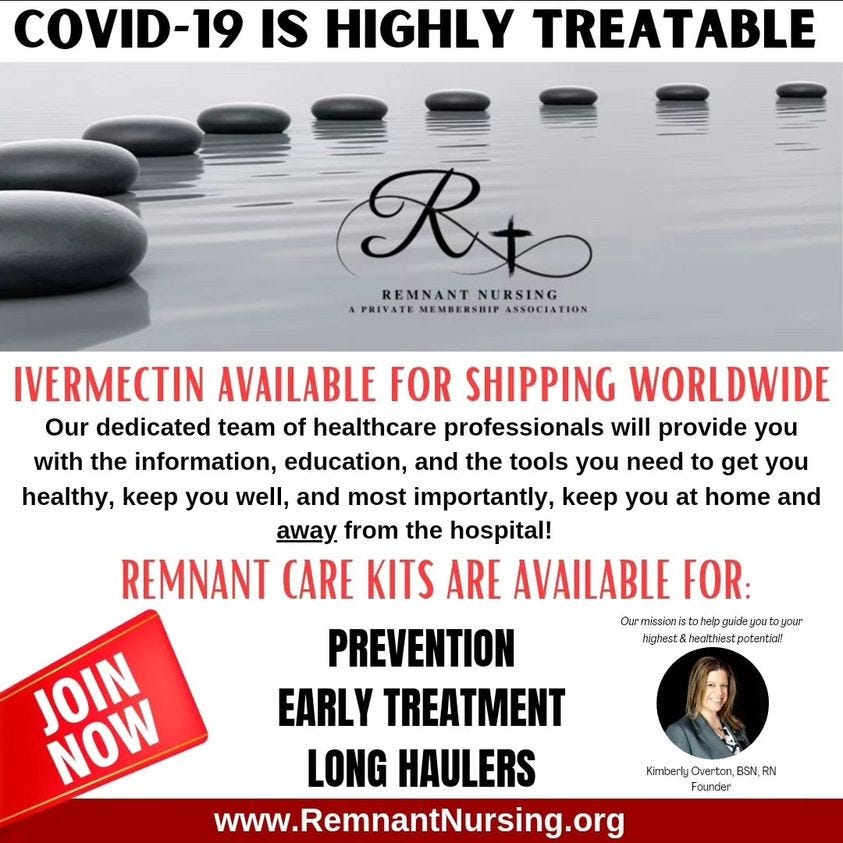
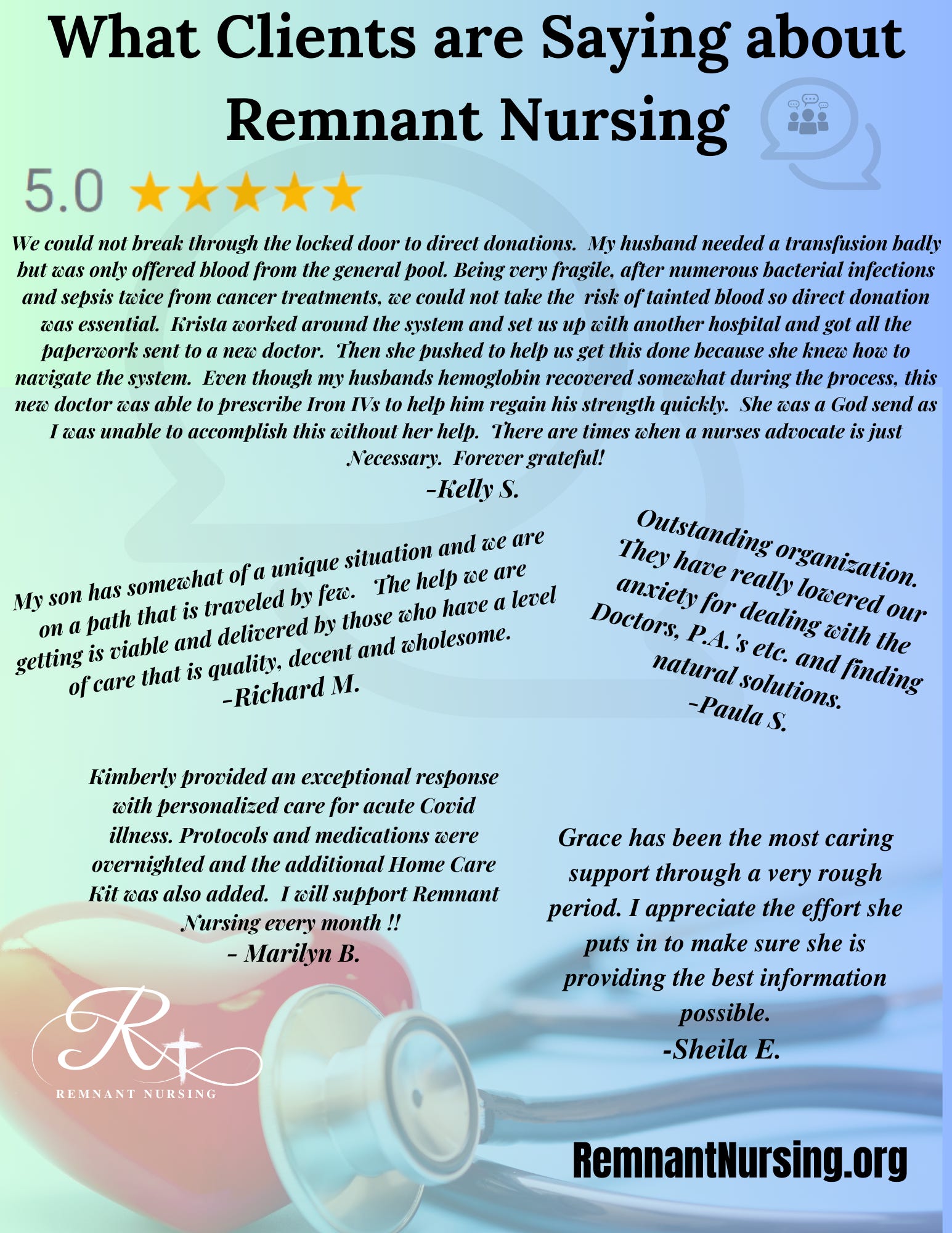
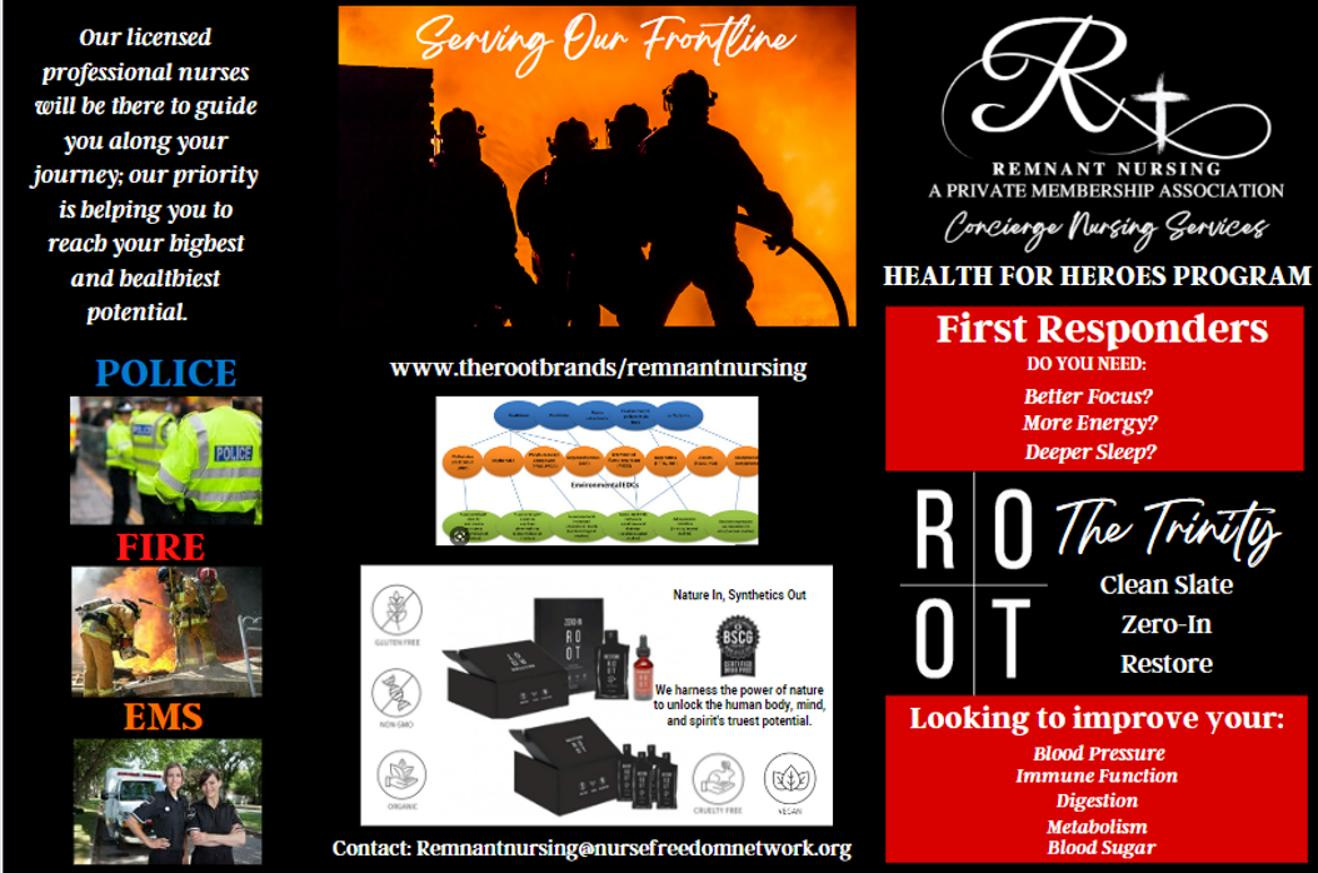
We are proud to partner with Pure Blood Registry to assist in procuring clean, unvaccinated blood for directed donation. Our nurses facilitate this process for our members and we have had a 100% success rate.
Join Pure Blood Registry
We do things a little bit differently at Remnant Nursing!
We work diligently to offer our clients an exceptional level of service while continuing to be disruptors to the BROKEN and CORRUPT “sickcare” system!
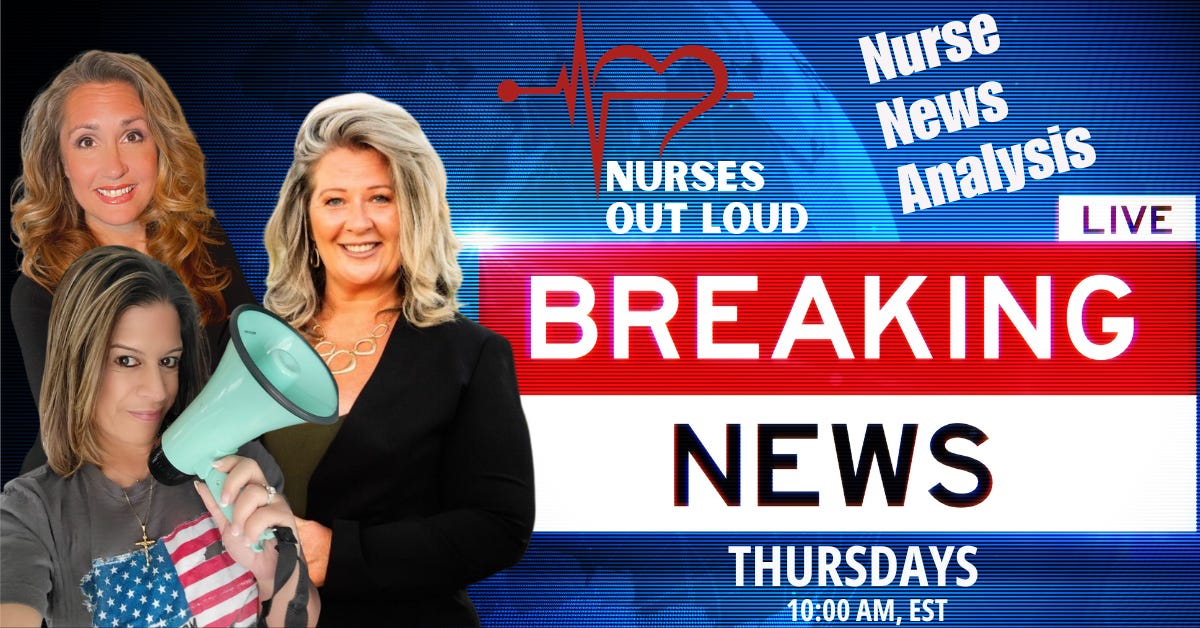
I was recently joined by our Director of Operations, Krista O’Dea for an informative episode of Nurses Out Loud.
Listen and learn more about our mission and vision for Remnant Nursing and how you can become a part of what we are building!
Listen Now
Listen Now
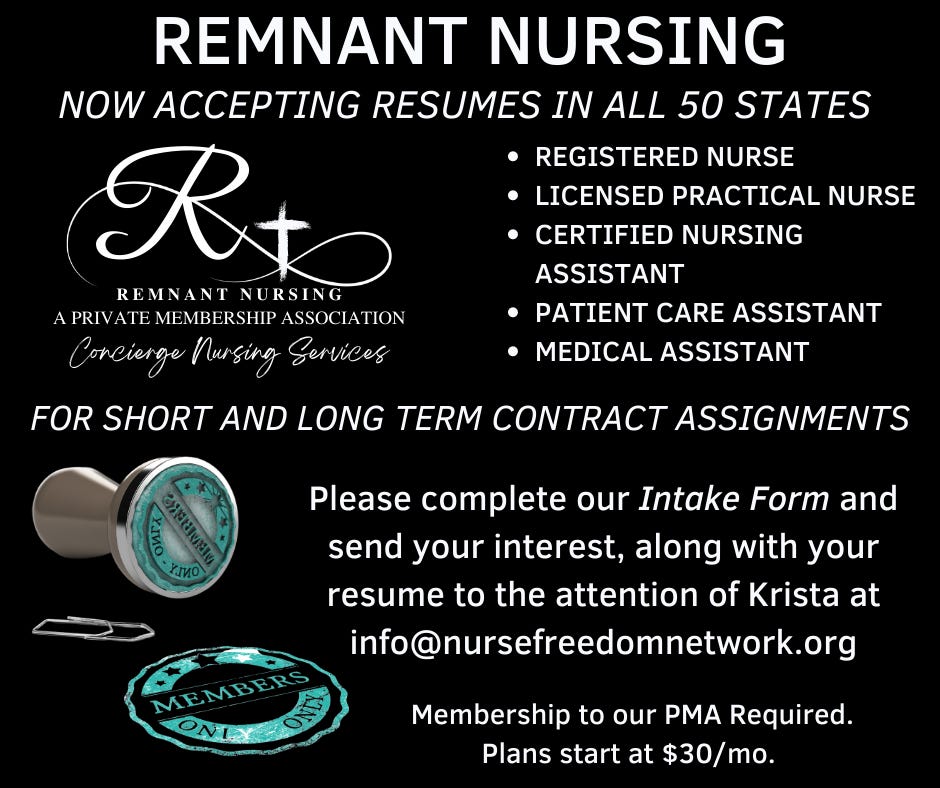
We continue to field a large number of requests for in-home nursing services across all 50 states, and have begun dispatching qualified members to serve the needs of our clients. As more and more people are beginning to realize that they are safer at home with a nurse receiving supportive care than they are in a hospital, we expect that these numbers will continue to grow, exponentially.
To prepare for this, we are now accepting resumes for both short and long-term contract assignments in all states.
If interested, please complete our intake form below, and send your interest along with your resume to the attention of Krista at:
info@nursefreedomnetwork.org
Intake Form
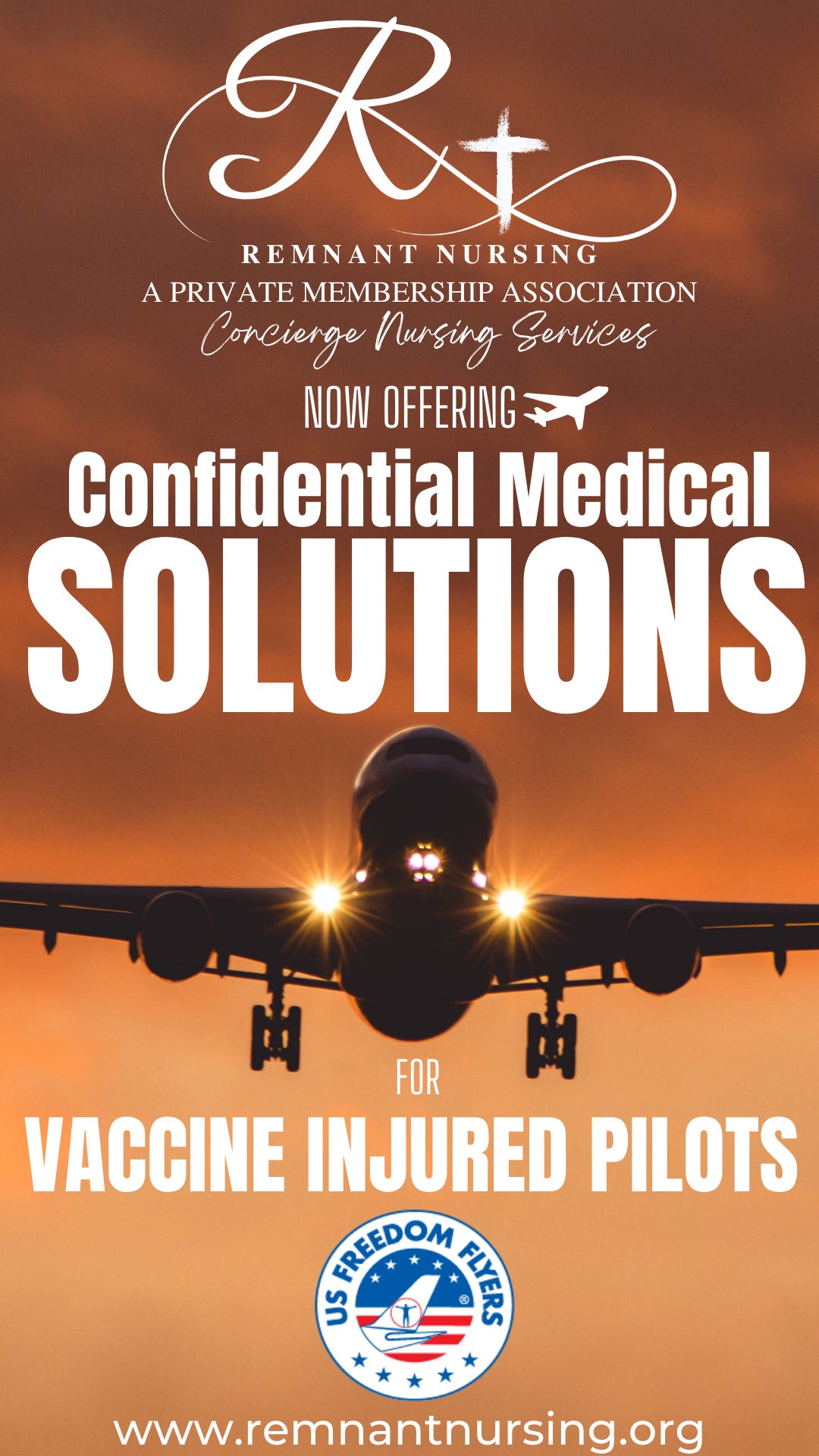
Membership to our PMA is required to be notified of and accepted for assignments. Plans start at $30/month. You can visit www.remnantnursing.org to join today!
Get Tickets
Get Tickets
Learn More
Enroll Now
Functional medicine and how to efficiently apply these concepts to your practice
How to set up a successful practice
How to make personalized wellness plans for your clients
Optimal ranges for diagnostic testing, functional testing, and how to incorporate testing into your practice
New techniques to fine-tune your assessment skills
How to set up a successful practice
How to sign clients
Certificate of completion and CEU’s awarded for course completion
Receive your very own practitioner toolkit with all of the tools and forms to get you started in private practice! Including forms such as legal, assessment, intake, dietary guides, client handouts and much more!
This program will benefit any nurse who is seeking a holistic alternative to the current conventional medical model.
Enroll Now
Unlimited Access - Just $30!
Learn More
Join The Truth Movement
I was honored to have been selected by author Ken McCarthy to be featured in his latest book, What The Nurses Saw.
Order Now
Shop Now
Listen Now
Listen here Weekdays at 10:00 am, EST
iHeart Radio
America Out Loud Talk Radio
Visit US Freedom Flyers
Remnant Healthcare
Visit Rxisks.com
Everyone needs to see this important film. Stay tuned to Nurses Out Loud for my upcoming interview with documentary filmmaker, Megan Smith, M.S.
This page includes affiliate links which if you choose to make a purchase from, I will receive a small commission at no extra cost to you. One more way to help support the work we are doing at Nurse Freedom Network.
.
Nurse Freedom Network is a Root Brands Ambassador, please click on the link below to sign up for your FREE Root Brands Account:
Root Brands
Shop EQUIP
Book Your FREE Consultation
Visit the MOH website
Increasing Core Temperature
Mobilizes Lymphatic and Immune Systems
Increases Circulation and Micro-circulation
Oxygenates Cells, Giving Greater Absorption
Activates Parasympathetic Nervous System
Helps Mitochondria Create ATP + Nitric Oxide
Shop Relax Saunas
Visit RaDoTech
Healthcare Practitioners:
Learn more about how LabSmarts can enhance your practice and help ensure optimal health outcomes for your clients - Use Coupon Code RemnantNursing to enjoy a 10% Discount on their products and services!
Visit LabSmarts
Shop NutraMedix
Shop Sovereign Silver
Shop Sovereign Copper
Visit ImmuneMist
Become an ImmuneMist Affiliate
“an invaluable guide… be sure to give this book a careful read"— Peter A. McCullough, MD, MPH
Written by a retired attorney in collaboration with two physicians, this highly-documented book presents an overview of the compelling evidence that paints a very different picture than we've been told regarding certain core issues.
Have you visited Freedom Square yet? This Digital Commonwealth is a web portal for freedom-loving Americans to access News & Information, Podcasts, Interactive Forums, A Business Directory, an E-Commerce Freedom Marketplace, and is a Resource Center rich in American history and key resources for sustaining our Liberty.
Freedom Square V2.0 is live!
Download the app today!
Visit Freedom Square
As a proud Co-Founder of the Freedom Chamber where we fuel dreams, forge connections, and champion American businesses, I invite you to join us on this mission. Together we build a future rooted in Faith, Family, and FREEDOM.
Be a part of a dynamic, innovative, and active movement to unite pro-American small and mid-size businesses. Freedom Chamber members will have access to exclusive benefits offered by our founding members and access to resources to navigate the ever-challenging business climate.
Join The Freedom Chamber
Visit Spirit PR
Cardio Miracle is made from the highest quality ingredients, driven and backed by science and committed to your health and well-being. Discount is automatically applied by shopping directly from our affiliate link below.
Shop Cardio Miracle
We are 100% supporter-funded and grateful for your kind donations that assist us in furthering our mission. We are a 501c3 non-profit organization making your kind contributions tax-deductible.
Donate Now
Visit Nurse Freedom Network
Visit Remnant Healthcare
Leave a comment
Share
Refer a friend
Nurses' Notes is a reader-supported publication. If you find our content to have value, please consider becoming a paid subscriber. 100% of these proceeds are used to further the mission of Nurse Freedom Network.